Deal funded
10 Texas Properties with Negative Cash Flow Closed in 27 Days
Some deals look dead at market rent. This one did. We looked past the comp sheet.
Loan Amount
$4,200,000
Property Type
10 SFRs
LEVERAGE
70% LTV
TIME TO CLOSE
27 Days

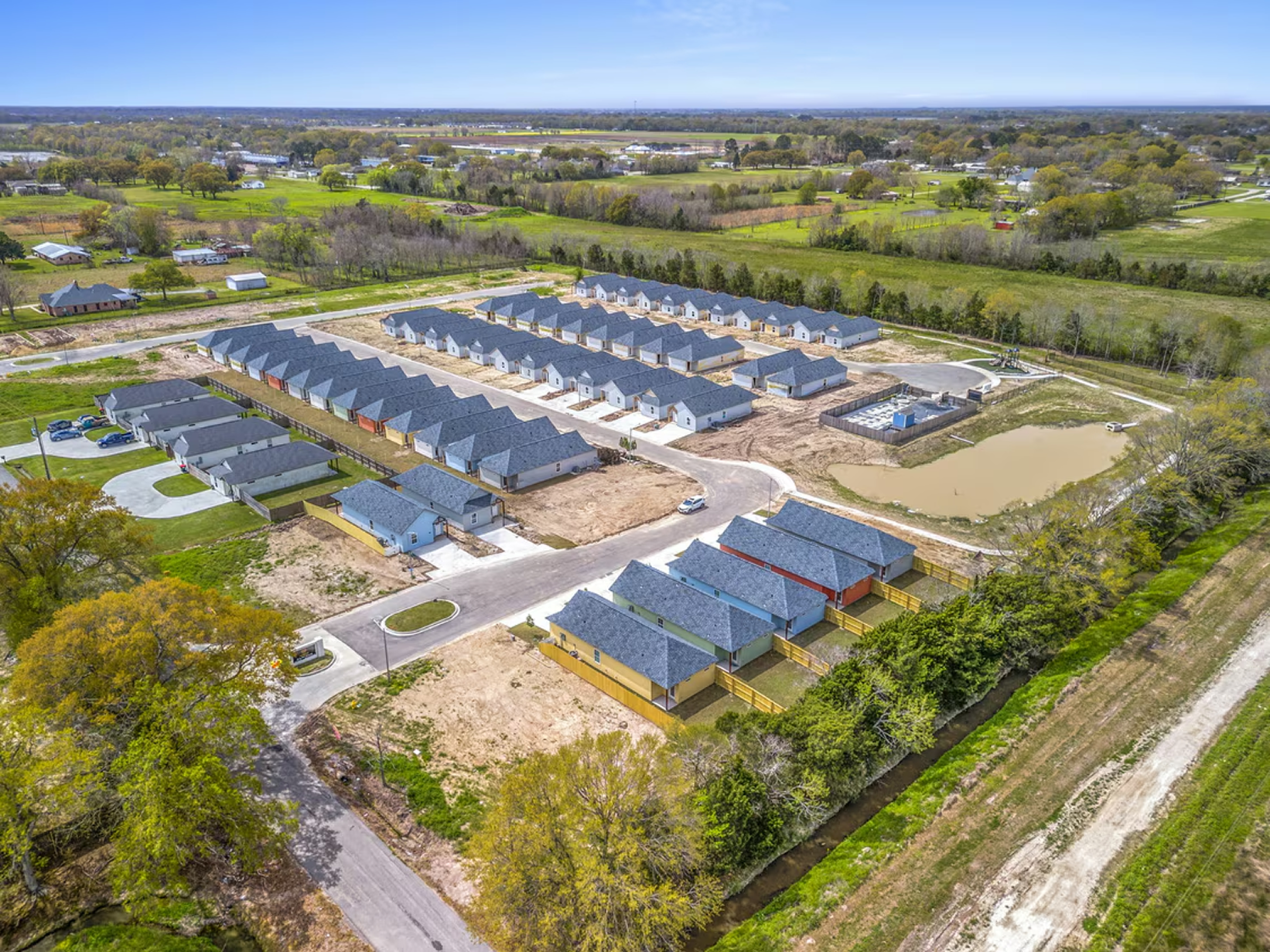
The borrower assembled a 10-property SFR portfolio just outside the TCU campus in Fort Worth, TX. At standard 12-month market rent of $4,000/unit, the portfolio was cash-flow negative on paper.
The plan: bring on a partner with direct experience in pad splits, mid-term rentals, and rent-by-the-room in the Fort Worth market. That partner would take majority ownership, serve as personal guarantor, and unlock $6,000+/unit through creative tenancy optimization.
The refinance wasn't the goal. Restructuring the portfolio's future was.

Traditional lenders ran the rent comps and stopped there. At $4,000/month market rent, the debt service coverage didn't close. Most never got far enough to understand why a sophisticated investor would want these properties.
The second layer: a new majority partner was entering as personal guarantor. The original owner stepping to a 40% passive position and not signing loan docs raises immediate flags, especially paired with non-standard tenancy projections.
– Never modeled submarket income
– Partnership restructuring: declined
– Creative tenancy: outside framework
– TCU corridor validated at intake
– Membership restructure: led
– Mid-term rental model: confirmed
Before issuing terms, we modeled the deal the way the borrower intended to operate it, not the way a comp sheet suggested it should look. The key decision happened before a term sheet was ever issued.
REVIEW
Rather than accept the report at face value, the team challenged the initial appraisal that missed the rooftop patio values.
ACTION
The result was an additional $5,000–$10,000 in recognized value per unit across all 24 loans. On a portfolio of this size, that adjustment materially strengthened the overall structure and leverage profile.
CLOSED
Borrower exited the balloon penalty-free, regained control, and can now refinance or sell units strategically; restoring optionality to their portfolio.
To date, it stands as the largest and most complex deal Brick City Capital has executed.
In submarkets like TCU, income potential is real — but requires a lender willing to model the deal correctly. The difference between a declined file and a $4.2M close was understanding what $6,000/month actually looks like in Fort Worth.
30 days post-close: 50% of the portfolio leased, averaging $2,000 above the appraised market rent figure.



Our headquarters
50 Park Place, Suite 301
Newark, NJ 07102
loan products