Deal funded
New Construction Refi. No Debt Service. Closed in 5 Days.
The property couldn't cover the loan at market rent. We didn't underwrite to market rent.
Loan Amount
$1,837,500
Property Type
SFR
Leverage
75% LTV
TIME TO CLOSE
5 Days
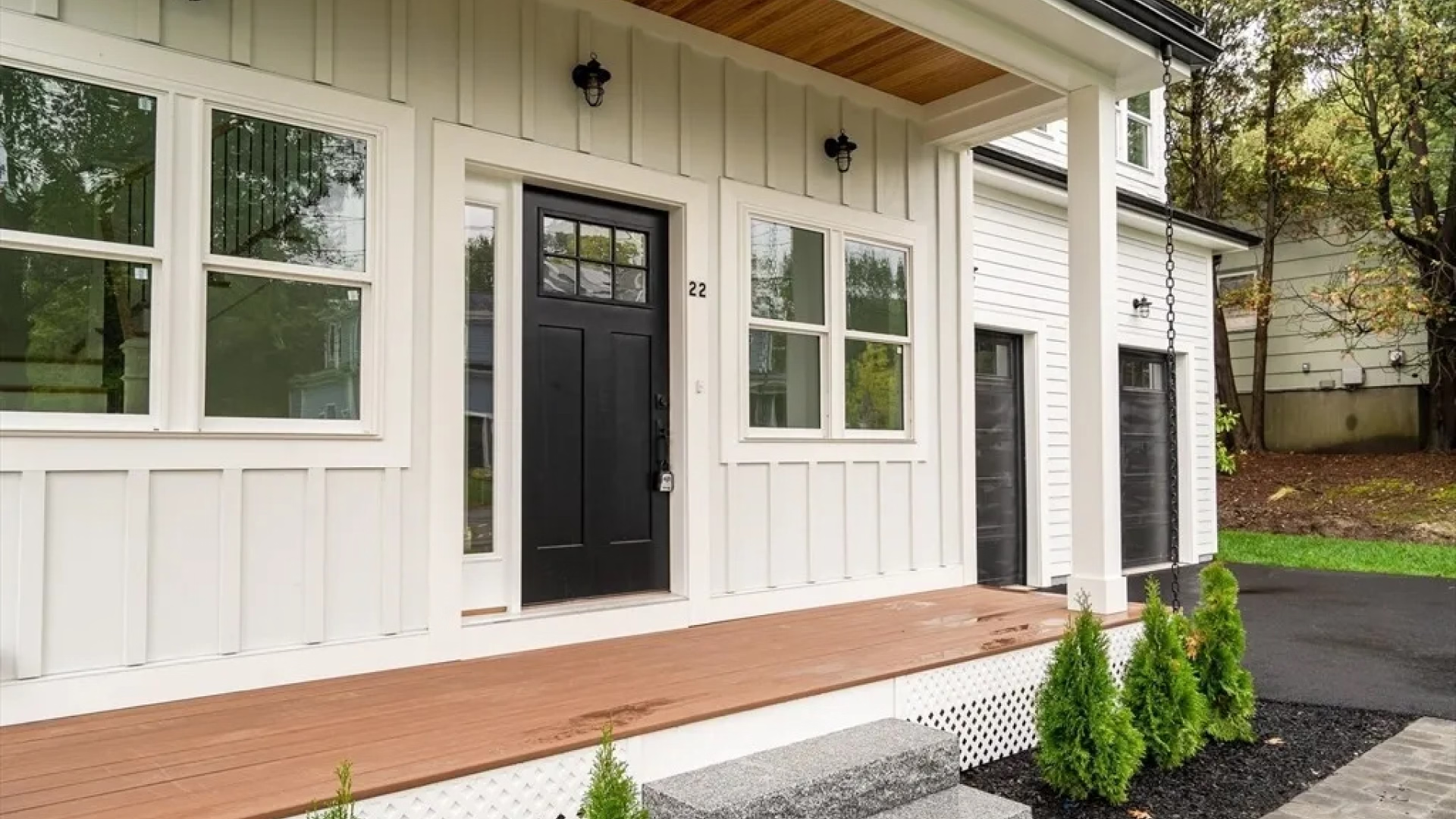
The borrower completed a new construction SFR at 22 Ebrook in Lexington, Massachusetts. The construction loan hit maturity. They needed a rate-and-term refinance, cash neutral at the closing table, with a lower rate locked in.
Market rents in Lexington run around $8,000/month. At a $1,837,500 loan amount, the property didn't debt service. DSCR was never going to work.
The goal was to find a framework that made the math work, before the maturity default clock hit zero.
At $8,000/month market rent against a $1.84M loan, the DSCR ratio came in below what any program requires. Layered on: 696 FICO at 75% LTV with a pending certificate of occupancy. The only path forward was a bank statement underwrite.
INTAKE
Identified bank statement underwrite before any processing began. DSCR was never considered. DTI path confirmed from the first conversation.
DAY 1
Accepted transferred appraisal — eliminated the appraisal queue. Bank statement analysis returned same day. Two parallel tracks, one business day.
DAYS 2–4
CPA letter from tax preparer confirmed lower expense ratio. DTI confirmed sub-40%. File moved through underwriting complete.
DAY 5
$1.84M closed, 30-year fixed, rate-and-term.
✓ Cash neutral at closing, no funds out of pocket
✓ Construction loan paid off
✓ Lower rate locked in
✓ Maturity default avoided
New construction refinances in high-value markets have a structural tension: the asset is worth significantly more than what the rent market can support at a DSCR ratio. This isn't a property problem, it's a lender framework problem. Most shops only have one underwriting tool.
Bank statement lending exists precisely for borrowers whose income profile justifies the loan even when market rent doesn't. Knowing when to apply it — and being able to execute it in five days — is the difference between a maturity default and a clean exit.
.webp)


Our headquarters
50 Park Place, Suite 301
Newark, NJ 07102
loan products